
 Ask an Engineer
Common Causes of Electric Actuator Failure and How to Avoid Them
By Kenny Green on April 2, 2026
Electric linear actuators are increasingly used in machine designs for their excellent efficiency, reliability and performance. These actuators are generally more reliable than their traditional counterparts in many applications, however, their failure modes can be unfamiliar to engineers transitioning away from hydraulics and pneumatics.
Engineers must be able to identify these failure modes to accurately predict an electric linear actuator’s lifecycle. This not only optimizes actuator performance and cost but also ensures high machine uptime.
We’ve put together a list of the most common electric actuator failure modes and their solutions.
Side Loads
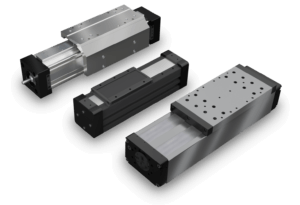
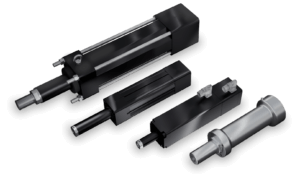
The thrust rod and rod end of rod style actuators are vulnerable to side loading, which can increase wear of the screw and bearing system and eventually lead to premature failure. In severe cases, this failure can seize the actuator completely.
Prevent side loads by verifying and testing the actuator’s alignment while moving the load. If possible, install rod ends or fixtures which allow for additional degrees of freedom and prevent side loading and binding. For example, alignment couplers are an effective rod end for preventing side loads.
Particulate or Water Ingress
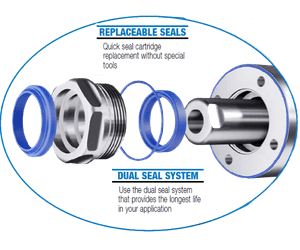
Foreign material or water entering the actuator housing has a high chance of damaging internal components. Intruding particulates will often bind moving components like screws or bearings and accelerate wear rate. Liquids like water can corrode steel components and ruin lubricating grease.
Always verify that the actuator’s Ingress Protection (IP) rating is suitable for the intended environment. If installing in a wet or high-particulate environment, look for higher IP ratings. For additional protection, consider adding exterior guards or barriers.
End of Life (L10)
Estimating when an electric actuator will begin to fail is key to accurately predicting its lifespan. Failing screws and bearings will commonly be identified as general looseness within the system, increased backlash and rough sounding operation. If these issues are ignored, the actuator could eventually break down — which is why predicting the L10 life expectancy is so important.
L10 life expectancy calculations are based on the actuator’s load conditions. When an actuator reaches the L10 life, replace it or send it back to the manufacturer for a cost-effective rebuild. Rebuilding an actuator lowers the chance of in-field failure and it is generally more economical than full replacement.
External Impacts
External impacts occur when the actuator impacts a hard surface or heavy load during high-speed operation — and they always damage the actuator. Although electric actuators are ruggedly built, these impact forces are often much greater than expected and quickly render the actuator inoperable after only a few impacts. The solution: decrease the actuator’s travel speed before impact, which is easy to accomplish with electric motors due to their programmability.
Simplify electric actuator selection with our online sizing tool
Undersizing
An undersized actuator usually won’t operate because it cannot deliver enough force for the given application. And if the actuator does run, chances are it will wear out prematurely compared to its estimated lifespan. Avoid undersizing an actuator by accounting for all relevant forces and loads, which is an easy process when using dedicated actuator sizing software like SizeIt. Sizing software is the best way to ensure your actuator meets application requirements and lasts the full expected service life.
Operating Outside of Rated Specification
Operating outside of rated specifications is a common failure mode. For prevention, verify the actuator’s capabilities against the application. Ensure that the application is within specification and monitor performance during the initial startup as an extra measure.
Improper Installation
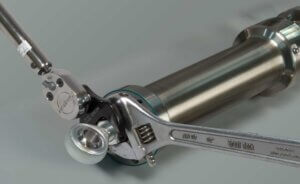
Incorrect installation can also cause failure. Ensure proper installation at each relevant location on the actuator such as where the actuator connects to the load, mounts to the assembly, or where cables and motors attach.
Double-check fastener torque values and sizes and follow proper motor installation and operation guides. This information can generally be found in the operation manuals that should be reviewed before installation.
Electrical Noise/Tuning
Even though electrical noise won’t induce a physical failure, it can render the actuator inoperable. The most likely sources of electrical noise are poor connections between motor connectors and the cable, or because the power and feedback cables are too long.
Whenever possible, it is best to avoid long cables. If a long cable run is unavoidable, ensure the power and feedback cables are separated. Additionally, verify that the motor-cable connections match and are tight.

Lack of Maintenance
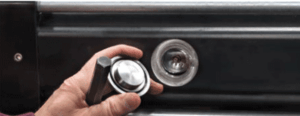
Rodless and large rod style electric actuators require regular maintenance to lubricate the screw and bearing system. This routine maintenance is especially important, without which, the actuator is likely to fail before reaching its estimated life. Follow the recommended maintenance intervals and only use recommended lubrication products. Information on lubrication is typically found in the actuator’s manual or the product catalog.
Read our white papers for tips on specifying rodless or rod-style actuators.
Still not sure which solution is right for your challenge? Ask an Engineer.